Partnering with Parents: Understanding Parents’ Beliefs Around Social-Emotional Learning in Early Childhood Education
As early childhood educators, our bonds with families are some of the most crucial to our work. Unlike older students, infants and toddlers cannot express their needs effectively; therefore, parents and caregivers are the primary advocates in their educational journey. School years often begin with families and teaching teams discussing goals for the year and the trajectory for each child. In early childhood, there’s a discussion of milestones met and what’s being worked on.
Too often, social-emotional milestones and learning are left out of these conversations. However, it’s important to understand how a family’s beliefs and goals relate to their child’s social-emotional growth. Some families value social-emotional learning as an important part of their child’s overall development. In other instances, families focus on academic achievement and “hard skills” and feel that the classroom environment is designed to advance those areas of learning.
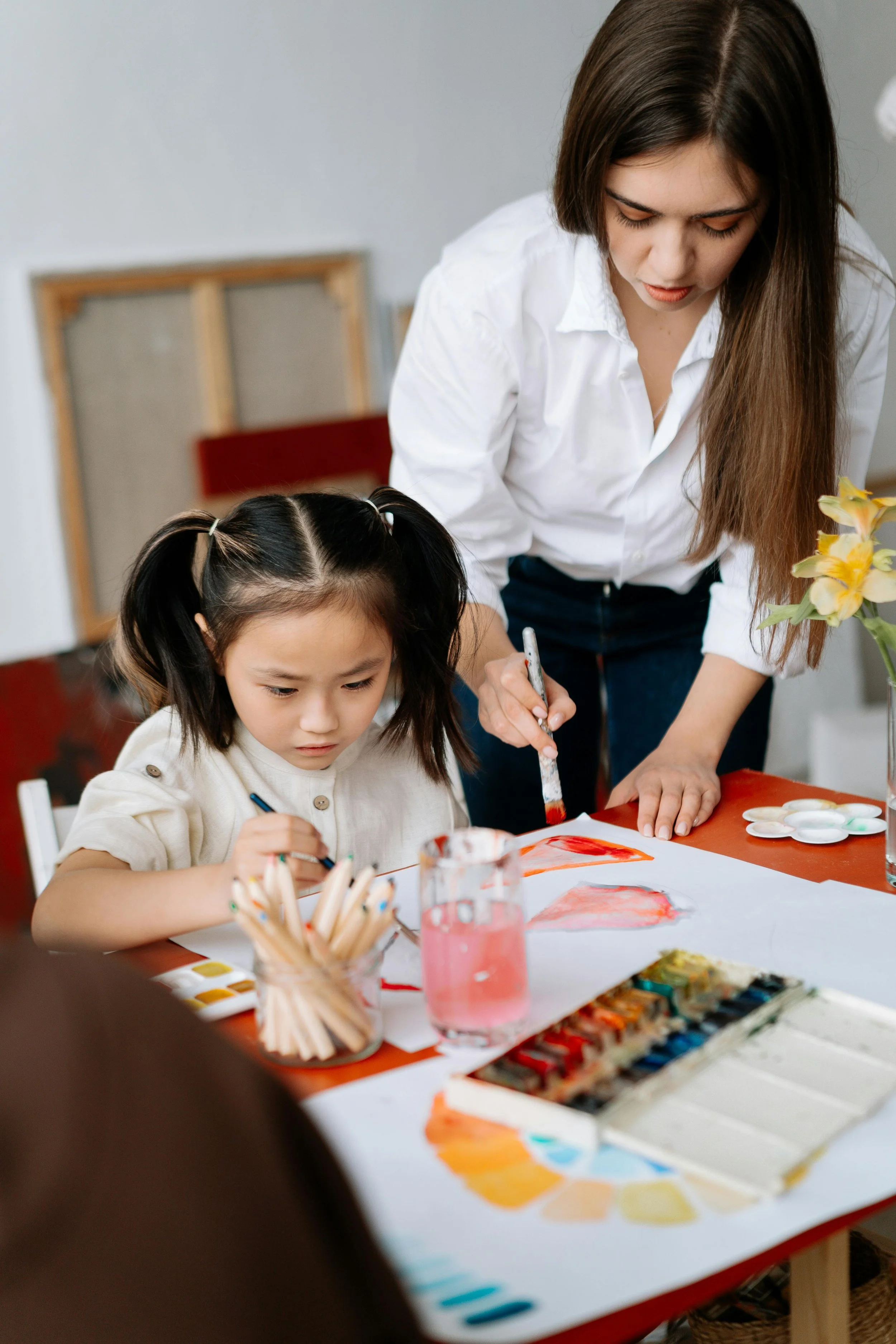
When it comes to the latter, educators face the challenge of explaining how the domains are connected to families. Studies have indicated that “Well-designed and implemented SEL programs exhibited several positive outcomes, namely, gains in social and emotional competencies, a decrease in behavioral problems, higher levels of well-being, higher academic achievement, improved classroom behavior, better stress management, and increased attendance.” (Martinsone et al., 2025, p. 3).
Furthermore, social-emotional learning supports “behavioral adjustment and positive learning outcomes” in early childhood and is linked to long-term academic success. Studies have found:
“Young children with SEL competencies participate more in the classroom, are more accepted by classmates and teachers, and are given more instruction and positive feedback by teachers. Without SEL competencies, young children show a greater likelihood to dislike school and perform poorly on academic tasks and to later experience grade retention, drop out, and persist in antisocial behaviors.” (Denham & Brown, 2010, p. 653)
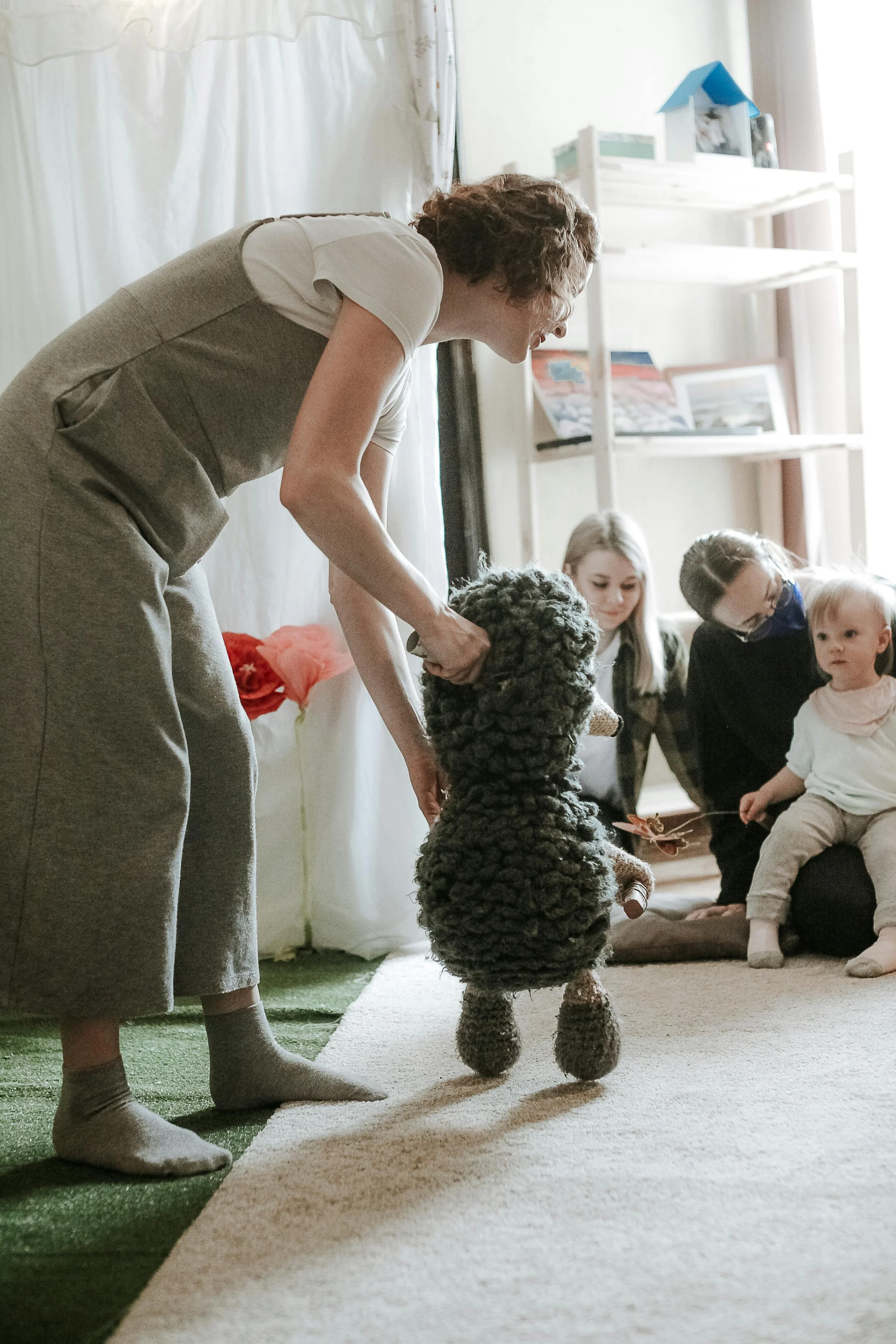
Early childhood educators, as well as pediatricians, may note that social-emotional behaviors or milestones that aren’t met are indicative of a developmental delay, learning disability, or other issue. By having an understanding of parents’ attitudes toward social-emotional learning, teachers may better prepare to navigate these conversations with parents.
“Family and other cultural practices may make it more likely that some groups will not identify certain social and emotional behaviors as symptoms of a disability or mental health problem or create a situation where problems will not be identified before early SEL intervention efforts can be implemented to lessen the impact of the disability on social-emotional development.” (Garner et al., 2014, p. 172).
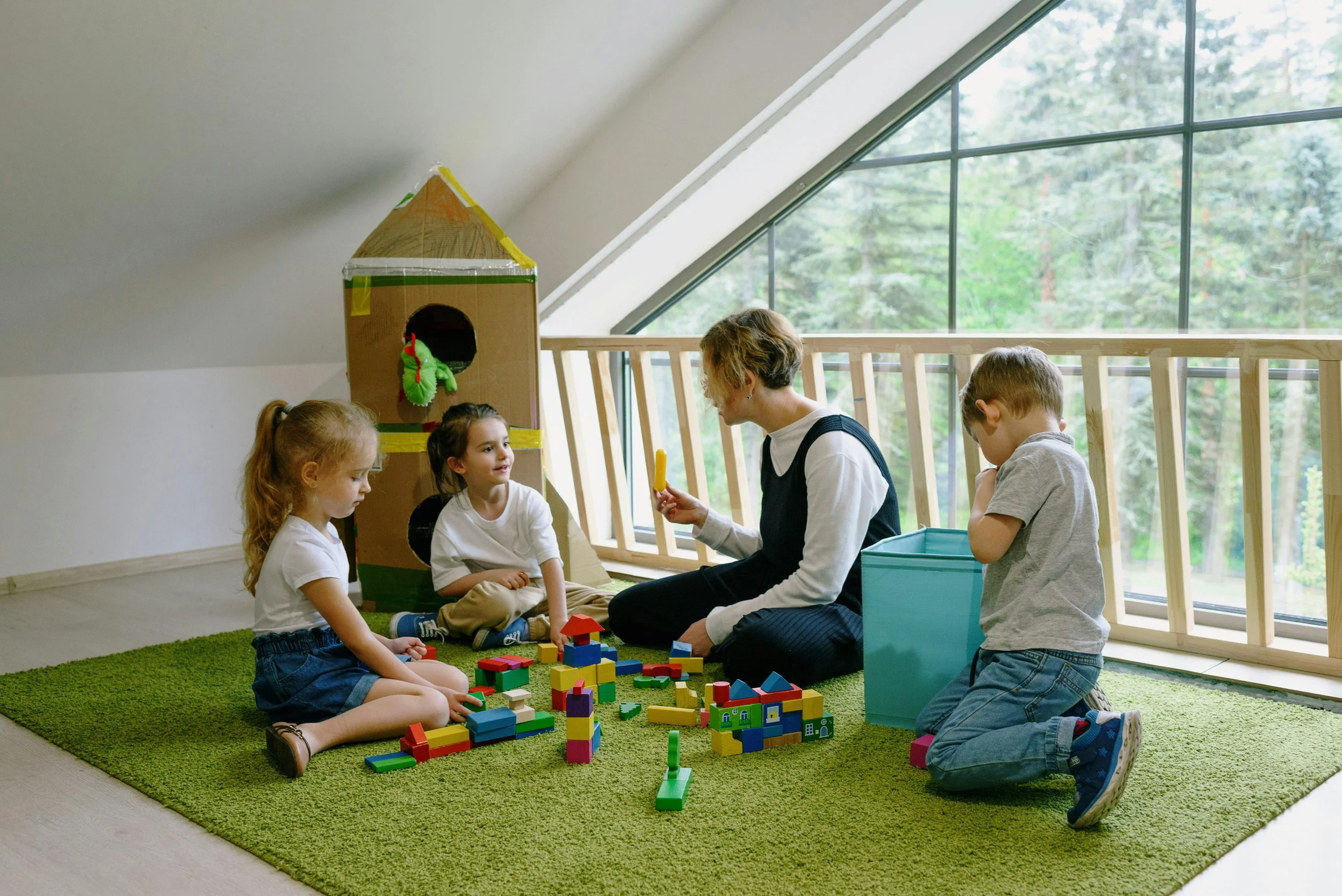
The skills developed through social-emotional learning and a curriculum that’s rich with opportunities to develop this domain provide success in the classroom environment that then advances into academic settings as they grow.
“When a child can understand self and others, take in social information accurately to make good decisions, interact successfully, and regulate behavior, many classroom learning tasks are made easier. Such a child, who is likely to have friends and a well-running social world, also has more personal resources to focus on learning” (Denham & Brown, 2010, p. 667).
Parents can also be useful advocates in helping overcome some of the systemic barriers that can exist in pursuing social-emotional learning for early childhood classrooms. Parents can provide valuable information about how social-emotional learning can be implemented in a culturally sensitive manner that’s respectful of different elements of students’ experiences, at home and in the classroom. The understanding and teamwork of all stakeholders in a child’s education is crucial to success, not just in social-emotional contexts, but in all domains of development and academic success.
References
Albright, M. I., & Weissberg, R. P. (2010). School-family partnerships to promote social and emotional learning. In S. L. Christenson & A. L. Reschly (Eds.), Handbook of school-family partnerships (pp. 246–265). Routledge. https://www.routledge.com/Handbook-of-School-Family-Partnerships/Christenson-Reschly/p/book/9780415963763
Denham, S. A., & Brown, C. (2010). “Plays nice with others”: Social–emotional learning and academic success. Early Education and Development, 21(5), 652–680. https://doi.org/10.1080/10409289.2010.497450
Garner, P. W., Mahatmya, D., Brown, E. L., & Vesely, C. K. (2014). Promoting desirable outcomes among culturally and ethnically diverse children in social-emotional learning programs: A multilevel heuristic model. Educational Psychology Review, 26(1), 165–189. https://doi.org/10.1007/s10648-014-9253-7
Martinsone, B., Simões, C., Camilleri, L., Conte, E., & Lebre, P. (2025). Students’ socio-emotional skills and academic outcomes after the Promehs program: A longitudinal study in two European countries. Behavioral Sciences, 15(11), 1529. https://doi.org/10.3390/bs15111529